

In a world where the planet’s health hangs in the balance, sustainable crafts are here to save the day—and your sanity. Forget about the days of mindlessly buying mass-produced items that end up in landfills faster than you can say “eco-friendly.” Embracing sustainable crafts not only lets creativity run wild but also gives Mother Earth a big ol’ hug.
Imagine turning discarded materials into one-of-a-kind treasures while feeling like a superhero in your own living room. Whether it’s upcycling old jeans into trendy bags or crafting with natural dyes, sustainable crafts are as fun as they are beneficial. So grab your glue gun and get ready to join the movement that proves being green can be stylish, entertaining, and downright rewarding.
Overview of Sustainable Crafts
Sustainable crafts focus on using eco-friendly materials and techniques to create unique items while minimizing environmental impact. Crafting with discarded materials reduces waste and promotes resourcefulness. Upcycling old items not only breathes new life into them but also helps divert waste from landfills.
Natural dyes derived from plants and food scraps offer a non-toxic alternative to synthetic dyes. These dyes create vibrant colors and ensure that the crafting process remains environmentally friendly. Many artisans harness local resources, fostering a connection between the community and the landscape.
An array of sustainable crafting techniques exists, including weaving, knitting, and paper-making. These methods allow individuals to express creativity while promoting sustainability. Enhancing one’s skills in sustainable crafts can lead to a rewarding creative outlet.
Workshops and online tutorials are widely available, making it easier for individuals to learn sustainable crafting practices. Community events help spread awareness about the benefits of sustainable crafting, encouraging collaboration and sharing of ideas.
An emphasis on mindfulness in crafting fosters a deeper appreciation for materials. Selecting items based on their environmental impact cultivates a responsible crafting ethos. Sustainable crafts exemplify the possibility of creating meaningful products while considering the planet’s health.
Materials Used in Sustainable Crafts
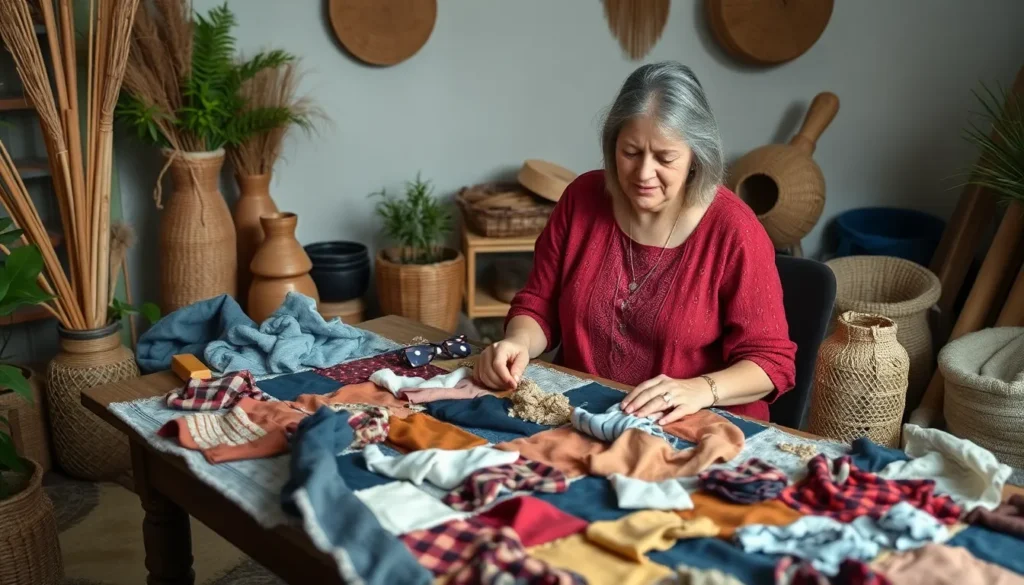
Sustainable crafts rely on materials that minimize environmental harm. Utilizing eco-friendly options and repurposing items promotes creativity while caring for the planet.
Eco-Friendly Alternatives
A variety of eco-friendly alternatives exist for sustainable crafts. Bamboo, for instance, serves as a fast-growing renewable resource. Natural fibers such as jute and hemp offer durable solutions for textiles. Biodegradable glues and adhesives contribute to less waste when projects are completed. Notably, plant-based paints and finishes reduce toxic chemicals while enhancing product aesthetics. Choosing these materials fosters a culture of responsible crafting.
Recycled and Upcycled Materials
Recycled and upcycled materials play a significant role in sustainable crafts. Glass bottles can transform into unique vases or decorative elements. Old clothing often finds new life as patchwork quilts or tote bags. Cardboard boxes provide sturdy bases for sculptures and organizers. Creative repurposing of discarded wood generates furniture and home decor pieces. Each item embodies resourcefulness, reflecting a commitment to reducing landfill waste.
Techniques and Practices
Sustainable crafts encompass a variety of techniques and practices that emphasize environmental responsibility.
Traditional Craftsmanship
Traditional craftsmanship plays a vital role in sustainable crafting. Techniques such as weaving and pottery rely on methods passed down through generations. These crafts often utilize local, natural materials like wood and clay, minimizing reliance on non-renewable resources. Artisans frequently prioritize skills developed through experience, ensuring quality and durability in each piece. Historical methods also inspire contemporary crafters to create items that celebrate their cultural heritage while remaining eco-friendly. Embedding sustainability in traditional practices promotes both environmental health and a rich artistic legacy.
Modern Innovations
Modern innovations enhance sustainable practices in crafting. Advances in technology introduce new materials like recycled plastics and sustainable textiles that benefit the environment. Many crafters embrace digital tools for design, allowing for precise and efficient production methods. Innovative techniques, such as 3D printing with biodegradable filaments, showcase limitless creativity while reducing waste. Workshops often incorporate these cutting-edge approaches to educate participants on sustainable practices. Combining tradition with modernity fosters a unique crafting experience and encourages ongoing exploration in eco-friendly artistry.
Benefits of Sustainable Crafts
Sustainable crafts offer numerous advantages, enriching both the environment and local communities.
Environmental Impact
Sustainable crafts significantly reduce waste by reusing materials. Using discarded items prevents them from ending up in landfills. Resourcefulness plays a key role in this process, as individuals find creative ways to repurpose glass bottles, old clothing, and wood. Eco-friendly materials like bamboo and hemp also minimize reliance on non-renewable resources. Natural dyes extracted from plants create beautiful colors without the harmful effects of synthetic alternatives. Engaging in sustainable crafting fosters mindfulness about consumption, leading individuals to make informed choices about the materials they use. This heightened awareness promotes a circular economy, ensuring that products maintain their value within the community.
Community Involvement
Sustainable crafts promote community engagement through workshops and events. Individuals often gather to share skills and ideas, fostering collaboration and creativity. Local markets and craft fairs provide platforms for artisans to showcase their eco-friendly creations, while also encouraging support for small businesses. Participation in these activities strengthens social bonds and raises awareness about sustainability. As communities work together, they cultivate a collective sense of responsibility toward the environment. Educational programs introduce sustainable crafting practices, ensuring wider participation and knowledge sharing. Overall, these initiatives create a vibrant network of like-minded individuals committed to making a positive impact.
Sustainable crafts offer a fulfilling way to express creativity while making a positive impact on the environment. By embracing upcycling and eco-friendly materials, individuals can transform discarded items into beautiful creations. This not only reduces waste but also fosters a sense of resourcefulness and mindfulness.
Engaging in sustainable crafting nurtures community connections and encourages collaboration among like-minded individuals. As more people explore these practices, they contribute to a larger movement towards environmental responsibility.
Ultimately, sustainable crafts serve as a powerful reminder that creativity and sustainability can go hand in hand, inspiring a new generation of eco-conscious artisans.