

Imagine a world where your dinner is prepared by robots, your farm operates like a tech startup, and your ingredients are sourced sustainably by drones. It sounds like something out of a sci-fi movie, doesn’t it? Well, welcome to the present. Food tech innovations are not just changing how we eat: they’re revolutionizing the very foundation of our food system. As we jump into this deliciously transformative topic, prepare yourself for a feast of insights on the innovations shaping the future of our plates. Spoiler alert: it’s tastier than you think.
The Rise of Food Technology
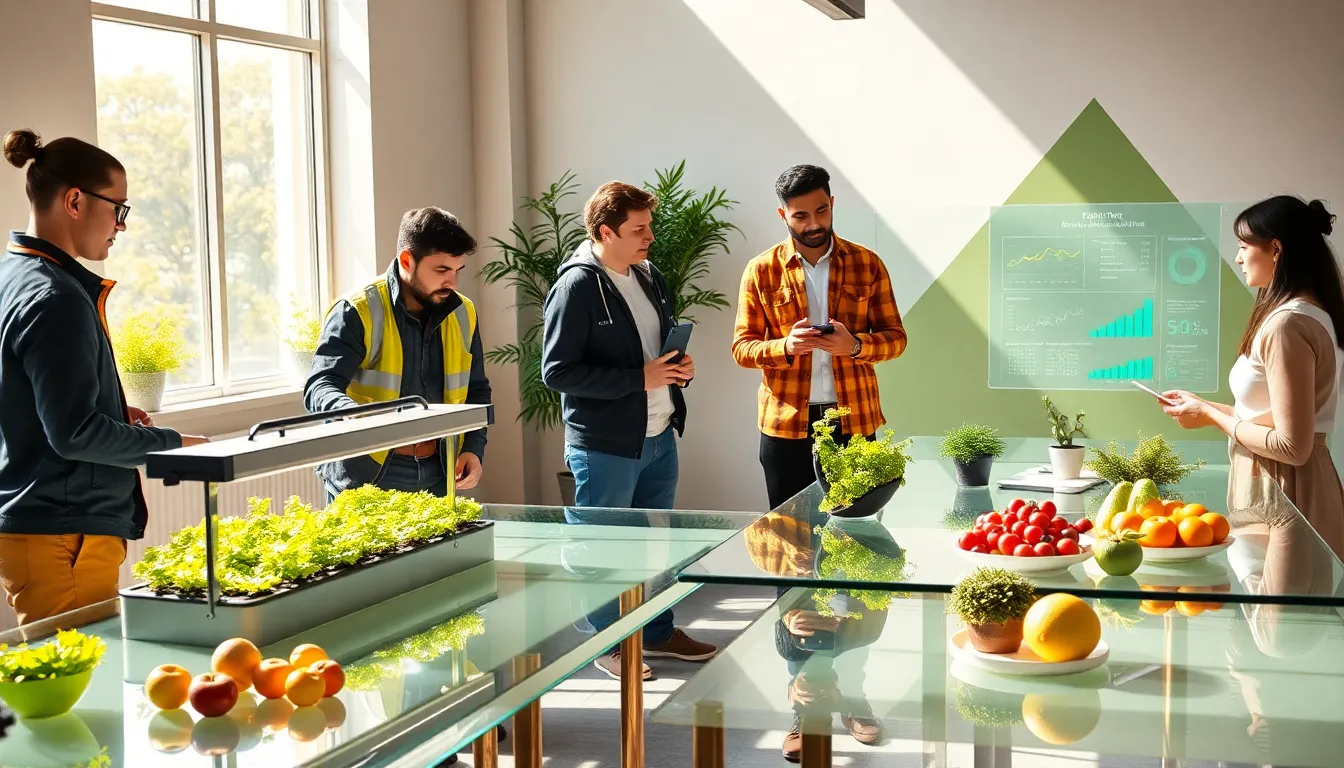
In the last few years, food technology has emerged as a major player in the culinary world. While traditional agriculture focused on the physical labor of planting and harvesting, today’s food tech leans heavily on technology to enhance efficiency and sustainability. Startups and established companies alike are investing billions into this sector, proving that innovation in food isn’t just a trend: it’s a necessity.
The COVID-19 pandemic served as a catalyst for many of these changes, quickly shifting consumer preferences towards online grocery shopping and meal delivery services. This leap forward sparked a wave of new technologies aimed at making food production and distribution faster, safer, and more efficient. Now, everything from vertical farming to lab-grown meat is being prioritized as society seeks to meet growing demand while minimizing environmental impact.
Key Innovations in Food Tech
Food tech is a vast field filled with groundbreaking ideas that aim to improve what ends up on our plates. Some of the most prominent innovations include:
Lab-Grown Meat
One of the most talked-about advancements, lab-grown meat promises to deliver the taste and texture of traditional meat while dramatically reducing the resources required for production. Companies like Beyond Meat and Impossible Foods have paved the way, making headlines while providing healthier options.
Vertical Farming
Imagine a farm that fits neatly into a shipping container. Vertical farming utilizes stacked layers and hydroponic systems to grow crops in urban environments. This innovation not only reduces transportation emissions but also brings fresh produce closer to consumers.
Smart Food Packaging
Think of packaging that can tell you when your food is going bad. Smart packaging technologies include sensors that monitor temperature, humidity, and freshness, helping to reduce food waste. While sustainability is a buzzword, smart packaging is tangibly addressing a pressing global issue.
Meal Kits and Subscription Services
These services have exploded in popularity, offering convenience and variety. They allow consumers to explore new cuisines from the comfort of their homes. Companies like Blue Apron and HelloFresh are at the forefront, making dinner not just a meal but an experience.
Sustainable Practices Revolutionizing the Industry
Sustainability is more than a buzzword in food tech: it’s becoming a guiding principle. As consumers increasingly prioritize eco-friendly practices, food tech innovations are stepping up to the plate.
Waste Reduction Technologies
Food waste is a colossal concern, contributing to landfills and climate change. Innovations include apps that connect consumers with local grocers to purchase surplus food at discounted prices. Companies like WasteLess have made strides by offering solutions that help businesses and consumers minimize waste.
Renewable Energy in Food Production
Solar panels and wind turbines have found a place in farms across the globe. Sustainable energy source adoption is making production cheaper and greener, further attracting investment.
Second-Generation Biofuels
As biofuels gain traction, a critical focus is on sourcing them from waste materials instead of food crops. This approach helps conserve resources while providing an alternative energy source.
Impact on Food Supply Chains
The global food supply chain is becoming more interconnected and efficient thanks to food tech innovations.
Traceability Solutions
With advancements in blockchain technology, consumers can now trace their food’s origin, ensuring transparency and safety. This technology enables farmers to share critical data throughout the supply chain, fostering trust with consumers.
Automation in Logistics
Delivery drones and automated warehouses are reshaping how food reaches consumers. These innovations significantly reduce delivery times and cut costs, ensuring that your ripe avocados are no longer traveling halfway across the globe before landing on your plate.
Challenges Facing Food Tech Innovations
Even though its numerous benefits, the journey of food tech innovations is not without hurdles.
Regulatory Hurdles
With new technologies come new laws. Regulatory frameworks worldwide are still catching up with innovations like lab-grown meat, often slowing down critical advancements before they can reach consumers.
Funding and Investment
While billions are flying into food tech, smaller startups often exhaust their funding faster than expected, mainly due to fierce competition and scaling challenges.
Consumer Acceptance
As with many innovations, consumer acceptance poses a challenge. Many individuals are skeptical about new food products, especially those that seem far removed from their traditional counterparts.
Future Trends in Food Technology
Looking ahead, the future of food tech is ripe with possibility.
Personalized Nutrition
As technology advances, tailored diets based on individual health data are becoming mainstream. Companies are investing in algorithms that suggest diets suited to genetic backgrounds and health preferences.
AI in Food Processing
Artificial intelligence will soon take over aspects of food processing, optimizing everything from flavor combinations to nutritional content. Imagine an AI that knows which spice will elevate your dish based on real-time feedback from users.
Integration of Robotics
Automation will continue to see more integration across food processing and preparation. Smart kitchens equipped with robotic assistants could soon no longer be a futuristic dream.