

Embarking on a DIY project can feel like stepping into the wild west of home improvement—exciting but fraught with potential pitfalls. One moment you’re envisioning a stunning new bookshelf, and the next, you’re knee-deep in sawdust, wondering where you left your sanity. But fear not! With a solid project plan in hand, even the most ambitious DIYers can transform chaos into craftsmanship.
Understanding Project Planning for DIY
Successful project planning simplifies the DIY process. A solid plan lays the foundation for achieving project goals effectively.
Importance of Effective Planning
Effective planning increases efficiency and minimizes wasted resources. Organizing tasks helps in visualizing the entire project, ensuring nothing is overlooked. Prioritizing elements like budget, materials, and timelines keeps a DIY project on track. Clarifying objectives fosters motivation and can lead to better results. Engaging detailed lists or timelines creates accountability, enabling easier tracking of progress. Moreover, a clear plan reduces the potential for conflict or confusion among team members involved in the project.
Common Pitfalls in DIY Projects
Common pitfalls often derail DIY projects. Underestimating the time required frequently leads to frustration and incomplete tasks. Failing to account for costs can strain budgets unexpectedly, causing financial stress. Overextending skills might result in poor craftsmanship or safety hazards. Skipping detailed preparation can lead to mistakes that waste materials. Neglecting to research proper techniques opens the door to inefficiencies and mistakes that could have been avoided. Recognizing these pitfalls helps individuals develop more effective strategies for successful DIY projects.
Key Steps in DIY Project Planning
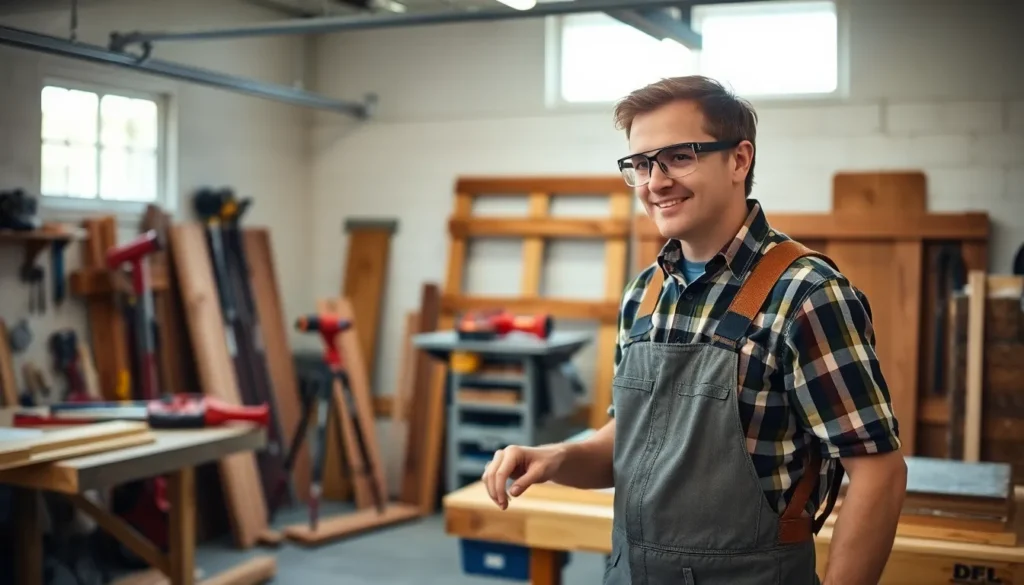
Effective DIY project planning significantly enhances the likelihood of success. Following these key steps can streamline the process and lead to impressive results.
Defining Your Project Goals
Establish clear project goals before beginning. Consider the overall vision and specific outcomes desired. Identifying objectives allows for focused efforts, whether it involves a simple decor upgrade or a complex renovation. Prioritize critical goals to avoid confusion later in the process. For instance, listing priorities can clarify whether budget or design aesthetics matter most. Engaging others in brainstorming can generate fresh ideas and increase ownership of the project.
Creating a Detailed Timeline
A well-structured timeline acts as a roadmap for a DIY project. Start by assessing how much time each task requires, including sourcing materials and completing the work. Break down the project into smaller, manageable sections for clarity and focus. Assign deadlines to each section to ensure progress stays on track. Adjustments may be necessary as circumstances change, emphasizing the benefit of flexibility. Establishing milestones also allows for celebrating progress, which keeps motivation high throughout the project.
Tools and Resources for Project Planning
Effective project planning relies on the right tools and resources. Utilizing various options enhances organization and efficiency in DIY projects.
Digital Tools for DIY Project Management
Project management software simplifies task organization and collaboration. Popular applications include Trello, Asana, and Evernote. These platforms offer features like task assignment, deadline tracking, and progress monitoring. Calendars integrated within these tools can help keep timelines visible and manageable. Mobile accessibility allows users to update plans from anywhere. Using digital tools encourages continuous engagement and effective communication during the project.
Printable Resources and Templates
Printable resources offer tangible ways to plan and track projects. Checklists, budget planners, and timelines can enhance organization. Templates for project outlines provide a structured approach to goal setting. Additionally, worksheets for material lists facilitate easy calculations and preparations. Using printed resources fosters accountability, serving as physical reminders of tasks and progress. Filling out these documents can create a clear visual representation of project milestones and timelines.
Staying Organized Throughout the Project
Staying organized throughout a DIY project ensures efficiency and keeps tasks manageable. Effective management of materials and supplies greatly contributes to progress.
Managing Materials and Supplies
Effective planning includes managing materials and supplies efficiently. Start by creating a detailed list of needed items, specifying quantities and estimated costs. Group supplies according to their use to simplify tracking. Utilize storage solutions like bins to keep everything in place, ensuring items are easy to find. Regularly check inventory levels to prevent purchasing duplicates or running out mid-project. Supporting a structured approach enhances preparedness and minimizes delays.
Tracking Progress and Adjusting Plans
Progress tracking plays a crucial role in project success. Set specific milestones to evaluate development regularly. Frequent assessments reveal whether adjustments are necessary, allowing for quick responses to delays or unexpected challenges. Task completion should align with the overall timeline and goals. Keep notes on progress and any issues encountered. Utilizing digital tools aids in maintaining visibility of every step, ensuring focus remains on completion and satisfaction.
Effective project planning is the backbone of successful DIY endeavors. By setting clear goals and creating a structured timeline, individuals can transform their visions into reality while avoiding common pitfalls. Staying organized and utilizing the right tools enhances efficiency and keeps projects on track.
As challenges arise, flexibility and adaptability become essential. Celebrating milestones not only maintains motivation but also provides a sense of accomplishment. With a solid plan in place, DIY enthusiasts can navigate their projects with confidence, turning their ideas into impressive results. Embracing the planning process ultimately leads to a more enjoyable and rewarding DIY experience.