

In the bustling streets of New York, a new wave of protests is making headlines, and it’s not just about the latest bagel shop opening. The “No Kings” protests are shaking things up, challenging the status quo with a mix of humor and determination. Picture this: passionate crowds wielding clever signs and chanting slogans that would make even the most stoic New Yorker crack a smile.
But don’t let the laughter fool you; these protests are serious business. They’re about standing up against inequality and demanding a city where everyone has a voice. As the movement gains momentum, it’s clear that New Yorkers aren’t just making noise—they’re making history. Buckle up, because this isn’t just another protest; it’s a vibrant call for change that’s as iconic as the skyline itself.
Overview of New York No Kings Protests
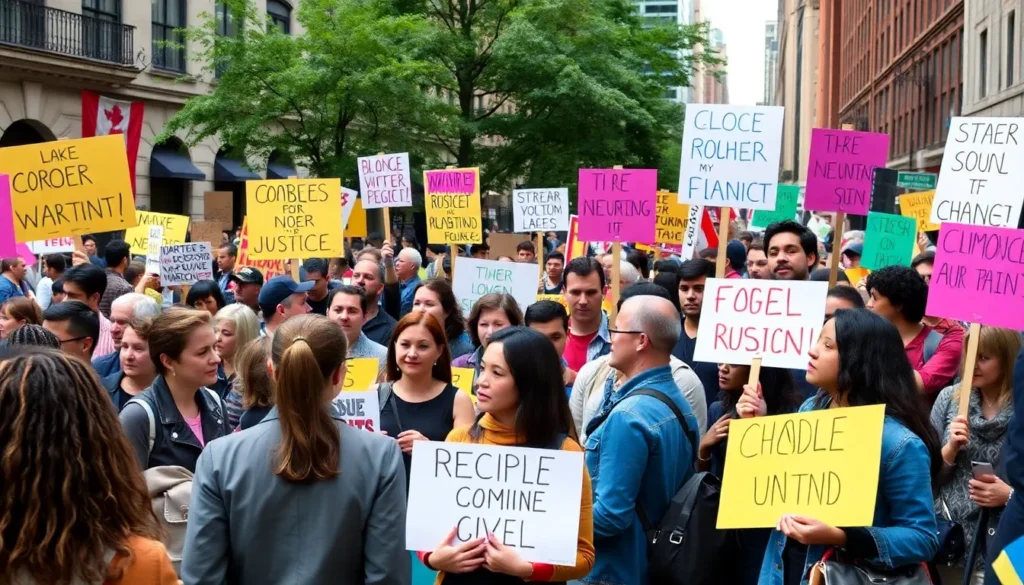
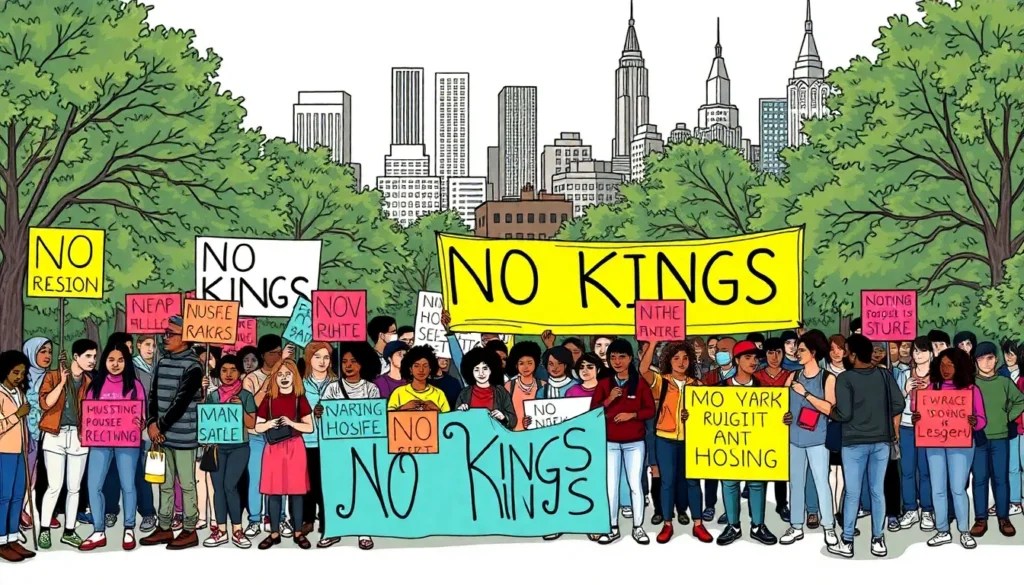
The “No Kings” protests reflect a movement deeply rooted in the struggle against social inequality in New York. Demonstrators gather in large numbers, showcasing their passion for change and commitment to a more inclusive community. Colorful signs and clever slogans dominate the scenes, engaging both participants and onlookers alike. Each protest embodies a unique mix of humor and determination, turning a serious call for change into a vibrant spectacle.
Crowds often exceed thousands, united in their message. The protests serve as a platform for marginalized voices, demanding equity in housing, labor, and public services. Events frequently include speeches by community leaders, reinforcing the urgency behind this movement. Many participants share personal stories that highlight the harsh realities of inequality in the city, making the collective demand resonate on multiple levels.
Participation spans diverse demographics, reflecting New York’s rich cultural mosaic. Activists collaborate across neighborhoods, demonstrating solidarity in their quest for social justice. Grassroots organizing plays a vital role in mobilizing supporters and spreading awareness about the issues at hand. Social media amplifies their message, allowing the protests to reach a wider audience and inspire similar movements elsewhere.
Recent events showcase a growing momentum within the movement, with increasing public support and media attention. City officials face mounting pressure to address the concerns raised by protesters, signaling a potential shift in policies. As the “No Kings” protests continue to evolve, they represent a crucial chapter in New York’s ongoing fight for equality and justice.
Historical Context
Understanding the “No Kings” protests requires insight into their background. This movement draws inspiration from a long history of activism in New York, where citizens frequently unite to advocate for social justice.
Origins of the Movement
The origins of the “No Kings” protests trace back to the increasing visibility of social inequality in urban environments. Grassroots organizations began mobilizing local residents in response to rising housing costs and gentrification. Community leaders played a crucial role by encouraging participation and highlighting issues affecting marginalized neighborhoods. This combination of activism and local engagement fueled the initial gatherings, rallying individuals around a shared vision of equity and justice in New York City.
Key Events Leading Up to the Protests
Several key events contributed to the emergence of the “No Kings” protests. In recent years, significant public demonstrations focused on housing rights and labor conditions captured national attention. Activists organized rallies where speakers shared personal narratives about economic hardships, fostering empathy among attendees. Increased media coverage of social issues also galvanized public support, while city council meetings unveiled stark inequalities facing various communities. As these events unfolded, they set the stage for the protests, uniting diverse groups under the banner of social reform.
Impact on Local Communities
The “No Kings” protests significantly influence local communities across New York. Demonstrators claim their voices resonate with many who feel marginalized by rising inequalities.
Voices of the Protesters
Activists express a strong desire for change. They articulate frustrations regarding housing costs and economic instability. Many share personal stories that illuminate their struggles, creating an emotional connection with onlookers. Participants often emphasize the need for systemic reform, rejecting current inequalities. Their collective voice demands accountability from city officials, urging them to take action.
Community Reactions
Responses from neighborhood residents vary widely. Some individuals wholeheartedly support the protests, joining in solidarity. Others feel concerned about potential disruptions to daily life, expressing apprehension regarding larger demonstrations. Community leaders often advocate for open dialogue, seeking to bridge gaps between protesters and skeptics. Media coverage amplifies these diverse reactions, contributing to a growing discourse on social equity and community needs.
Media Coverage and Public Perception
Media coverage of the “No Kings” protests reflects a blend of concern, curiosity, and support. Major news outlets report on the protests, highlighting the urgency of issues like housing affordability and social inequality. Reports often feature vibrant imagery of demonstrators, showcasing signs that combine humor with poignant messages. Coverage also includes interviews with participants who express their commitment to social reform. Critics occasionally portray the protests as disruptive, yet proponents emphasize the importance of raising awareness on critical issues.
Analysis of News Reports
Analyzing news reports reveals varied perspectives on the “No Kings” protests. Some articles focus on the unique methods used by activists, recognizing the clever slogans and engaging speeches that capture public interest. Coverage often emphasizes the movement’s humor while addressing serious concerns around gentrification and economic disparity. Reports cite rising attendance at protests as a sign of increasing community support. Media narratives frequently showcase leaders’ calls for accountability, urging city officials to respond to protesters’ demands. Overall, the portrayal of the movement in news reports suggests a growing recognition of its significance.
Influence on Social Media
Social media plays a crucial role in shaping public perception of the “No Kings” protests. Platforms like Twitter and Instagram amplify messages, allowing activists to share personal stories and updates in real time. Users discuss event details and interact with hashtags associated with the movement, creating a sense of community. Viral posts often garner widespread attention, attracting both supporters and critics. Activists utilize social media for mobilization, encouraging participation and fostering engagement among diverse audiences. The influence of online conversations has proven essential for sustaining momentum and attracting new allies to the cause.
Legal and Political Responses
Recent developments in the “No Kings” protests prompted varied legal and political responses from city officials and lawmakers. Activists’ demands for more affordable housing and social equity sparked discussion about potential legislative reforms.
Government Actions
City officials initiated several measures in response to the protests, aiming to address concerns highlighted by demonstrators. By proposing rent control legislation, they seek to curb rising housing costs. In addition, increased funding for community services became a focal point for local leaders, reflecting their intent to balance economic growth with community needs. Various town hall meetings also emerged, allowing residents to voice their opinions and influence policy decisions directly.
Legal Challenges
Legal frameworks surrounding the protests remain critical to understanding their impact. Activists faced challenges such as police restrictions and permit denials, necessitating court interventions. Lawsuits aimed to safeguard protest rights under the First Amendment, ensuring that demonstrators could gather without undue interference. Court rulings have varied, with some upholding the right to protest while others imposed limitations, illustrating the complexities of balancing public safety and free expression.