

Getting tested for STDs might not top anyone’s list of fun activities, but it’s a crucial step in taking charge of one’s sexual health. So, how long does an STD test actually take? Spoiler alert: it’s usually quicker than waiting for your coffee to brew!
Understanding STD Tests
STD tests involve various methods for detecting sexually transmitted infections. Healthcare providers usually perform these tests through blood samples, urine samples, or swabs from infected areas. Each testing method offers quick results, typically receiving information within a few days to a week, depending on the specific test.
Blood tests often require a healthcare professional to draw blood. These tests check for infections like HIV and syphilis. Urine tests, on the other hand, are common for chlamydia and gonorrhea. A simple trip to the restroom provides a sample that laboratory technicians analyze.
Swab tests involve taking a sample from the genital area, throat, or rectum. This method is often used for herpes and HPV detection. Processing time for swab tests varies, but results usually arrive in a similar timeframe to blood tests.
People often report feeling anxious about waiting for results. Nurses and doctors address this concern by emphasizing the importance of prompt testing and reporting. Many clinics offer expedited services to minimize waiting times.
Maintaining regular testing schedules helps individuals stay informed about their sexual health. Health experts recommend annual testing for sexually active individuals, particularly for those with multiple partners. Regular check-ups help in early detection and treatment, ensuring public health safety.
Factors Affecting Test Duration
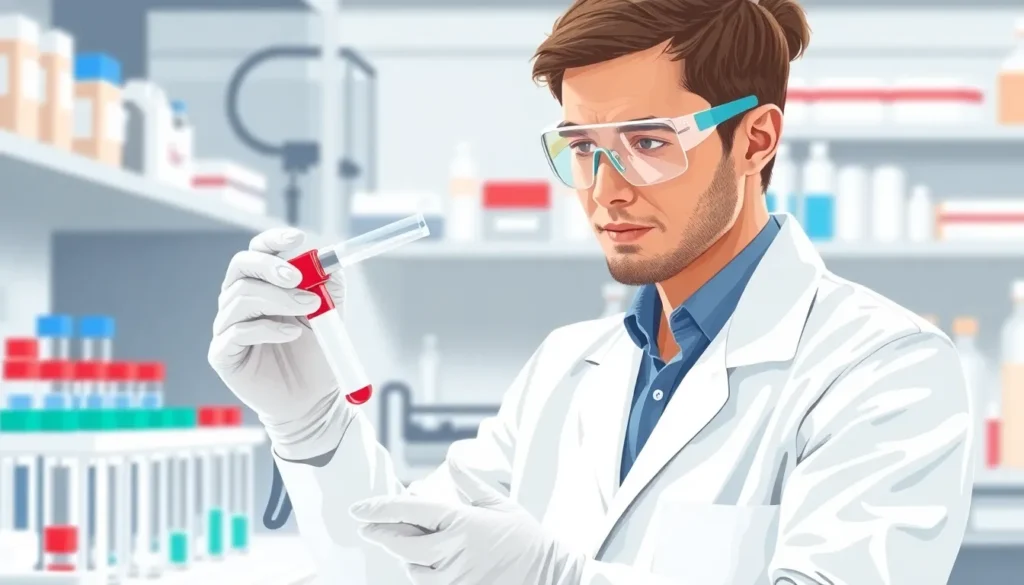
Testing duration varies based on several factors. Understanding these factors helps individuals anticipate the time commitment involved.
Type of Test
Different tests require varying lengths of time. Blood tests often take longer than urine tests. Blood samples typically go through multiple analysis stages, while urine tests are generally straightforward. Swab tests can also be quick, yet the time depends on the location from which samples are collected. Complexity increases with tests for multiple STDs, as each infection may necessitate additional analysis. Ultimately, selecting the type of test influences the overall duration.
Laboratory Procedures
Laboratory procedures significantly impact how long an STD test takes. Standard operating protocols in labs dictate specific processes for each sample type. For instance, blood samples usually undergo centrifugation before analysis, extending the time required. Urine tests, however, may involve direct analysis, resulting in faster results. Test volume at the lab also plays a role; higher workloads can cause delays. Moreover, different labs may have distinct turnaround times, affecting overall duration. Overall, understanding these variables can help manage expectations regarding test waiting times.
Typical Timeframes for STD Tests
The timeframes associated with STD tests can vary based on several factors. Understanding each stage helps individuals manage their expectations effectively.
Initial Consultation
During the initial consultation, patients discuss their health history with a healthcare provider. This meeting typically lasts around 15 to 30 minutes. Questions might revolve around current symptoms, sexual activity, and previous tests. The provider recommends specific tests based on individual risk factors. Gathering this information ensures tailored testing and appropriate care, allowing for a more efficient process.
Sample Collection
Sample collection usually occurs immediately after the consultation. The collection process can take 5 to 15 minutes, depending on the type of test. Blood tests may require a venipuncture to draw blood, while urine tests involve the patient providing a sample in a cup. Swab tests involve collecting samples from specific areas, which can also be quick. Comfort and clarity during this stage help alleviate any anxiety patients may feel about the process.
Results Processing
Results processing times vary based on the testing method and laboratory workload. Blood test results often take 3 to 7 days due to multiple analysis stages. Urine tests typically yield results quicker, usually within 1 to 3 days. Swab tests may also take several days, depending on the complexity involved. Understanding these timelines helps individuals prepare for follow-up discussions about their health.
What to Expect During the Testing Process
Preparing for an STD test involves several straightforward steps. First, patients typically meet with a healthcare provider for an initial consultation lasting about 15 to 30 minutes. During this time, the provider discusses the patient’s health history and any symptoms.
Next, sample collection takes place. This process can vary in duration but usually takes between 5 to 15 minutes. Blood samples are commonly drawn for tests like HIV and syphilis, while urine samples are taken for chlamydia and gonorrhea. Swab samples from genital areas, throat, or rectum are utilized for herpes and HPV tests.
After sample collection, the testing phase begins. Blood tests often require more time for analysis, with results available in 3 to 7 days. Urine tests generally provide quicker results, typically within 1 to 3 days. Swab tests may take several days, depending on laboratory workload and protocols.
Patients frequently experience anxiety while awaiting results. Many healthcare providers understand this concern and emphasize the importance of prompt testing and reporting. Clear communication helps patients manage their expectations regarding the turnaround times.
Regular testing remains essential, especially for sexually active individuals engaging with multiple partners. By understanding the testing process, individuals can better prepare for follow-up discussions with their healthcare providers about their sexual health and any necessary treatments.
Getting tested for STDs is a crucial step in maintaining sexual health. While the testing process is generally quick and efficient, understanding the timelines can alleviate some of the anxiety associated with waiting for results. With various testing methods available and results typically ready within a few days, individuals can stay informed about their health. Regular testing is essential for sexually active individuals, especially those with multiple partners. This proactive approach not only benefits personal health but also contributes to the well-being of the community. Prioritizing STD testing helps ensure early detection and treatment, fostering a healthier society overall.