

In a world where the climate crisis feels more like a reality show than a documentary, green tech innovations are stepping into the spotlight like the hero we didn’t know we needed. These groundbreaking technologies are not just saving the planet; they’re making sustainability cool and, dare we say, a little bit fun. Imagine solar panels that double as art or wind turbines that look like modern sculptures. Who knew saving the Earth could be so stylish?
As companies race to out-eco each other, the innovations emerging from this green revolution are nothing short of mind-blowing. From smart homes that practically run themselves to electric vehicles that turn heads and save gas money, the future looks bright—literally! Dive into the world of green tech, where saving the planet is the new black, and discover how these innovations are changing the game for everyone.
Overview of Green Tech Innovations
Green tech innovations focus on sustainable solutions addressing environmental challenges. Various technologies aim to reduce carbon footprints and enhance energy efficiency. Artistic solar panels and visually appealing wind turbines demonstrate how functionality can meet aesthetics. Companies strive to outdo one another with eco-friendly initiatives, creating a competitive landscape.
Smart home systems manage energy consumption efficiently, optimizing resources while integrating modern design. Eye-catching electric vehicles attract consumers with their performance and sustainability features. Innovations in battery storage, such as lithium-ion and solid-state batteries, are advancing energy storage and enabling solar power use during off-peak hours.
Biodegradable materials replace plastics in multiple applications, significantly reducing waste. Vertical farming techniques optimize space usage, allowing for local food production with minimal land requirements. Water purification technologies, including solar-driven desalination, provide fresh water solutions in arid regions.
In the building sector, green architecture incorporates sustainable materials and energy-efficient designs. Net-zero buildings minimize energy use and utilize renewable sources to power their operations. These advancements illustrate the commitment to environmental sustainability while simultaneously appealing to consumer desires for stylish products.
Clean energy solutions like geothermal, hydroelectric, and wind energy continue to grow in demand. They contribute to a cleaner energy grid, supporting national goals for reduced emissions. Green tech innovations represent a significant shift towards a sustainable future, integrating style with functionality. This evolution provides promising options that align with contemporary ecological values.
Key Areas of Green Tech Innovations
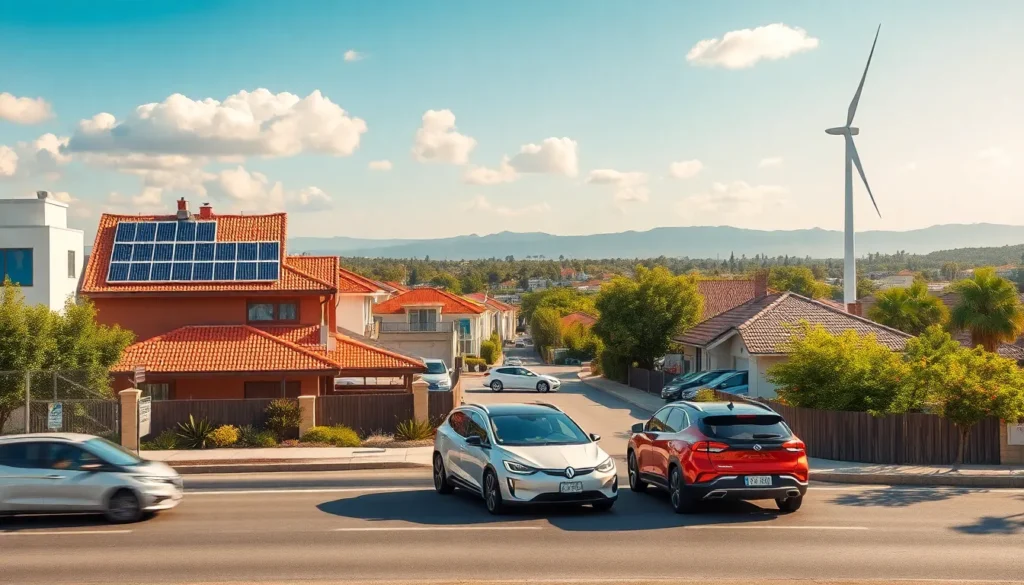
Green tech innovations encompass several critical areas that drive sustainability and efficiency. Each sector contributes uniquely toward a cleaner, greener future.
Renewable Energy Solutions
Solar energy maintains prominence due to decreasing costs and improving technology. Wind energy, harnessed through innovative turbine designs, now plays a significant role in energy generation. Advanced geothermal systems take advantage of Earth’s heat, offering reliable baseload power. Hydro energy continues to benefit from improved turbine efficiency. For instance, floating solar panels provide a dual-use approach, generating energy on water bodies while conserving land.
Sustainable Transportation
Electric vehicles revolutionize personal and public transportation, significantly cutting greenhouse gas emissions. Innovations in electric buses and bicycles enhance urban mobility options, reducing reliance on fossil fuels. Car-sharing and ride-hailing services adapt to promote eco-friendly options. Furthermore, hydrogen fuel cells represent a growing alternative to traditional batteries. As infrastructure develops, convenience and access to charging stations improve, encouraging widespread adoption.
Waste Management Technologies
Smart waste sorting systems leverage AI and IoT to enhance recycling efficiency. Biodegradable materials emerge as viable alternatives, breaking down more naturally than conventional plastics. Composting technologies reduce organic waste, returning nutrients to the soil. Advanced waste-to-energy plants convert landfill waste into usable energy, minimizing environmental impact. Initiatives promoting circular economies encourage resource reuse, decreasing overall waste generation.
Impact of Green Tech Innovations
Green tech innovations drive substantial changes in environmental and economic dimensions. These advancements promote sustainability and support a transition to cleaner practices.
Environmental Benefits
Green tech innovations significantly reduce carbon emissions. Technologies like solar panels and wind turbines generate clean energy without harmful side effects. Advanced waste management systems enhance recycling efforts, minimizing landfill growth. Vertical farming techniques utilize smaller spaces, optimizing food production while using fewer resources. Biodegradable materials replace traditional plastics, decreasing pollution in oceans and landfills. They also promote biodiversity by allowing natural ecosystems to thrive. Enhanced energy efficiency in smart homes further reduces resource consumption. Overall, these initiatives lead to a healthier environment.
Economic Impacts
Green tech innovations stimulate economic growth across various sectors. Increased energy efficiency in buildings cuts operational costs, directly benefiting owners. Job creation in renewable energy industries, like solar and wind, adds to local economies. Government incentives for sustainable practices encourage investment and boost business competitiveness. Electric vehicle production fosters advancements in manufacturing, contributing to technological progress. Expanding infrastructure for sustainable transport further catalyzes growth and innovation. As consumers increasingly prioritize eco-friendly options, businesses that adopt green technologies gain valuable market advantages. Overall, green tech not only supports environmental goals but also drives economic development.
Challenges in Green Tech Innovations
Green tech innovations face several challenges that can hinder their widespread adoption. Funding and investment barriers remain significant obstacles for many startups and projects in this sector.
Funding and Investment Barriers
Accessing capital proves difficult for green tech entrepreneurs. Investors often view these innovations as risky compared to traditional technologies. Funding competition leads to many promising projects being overlooked. Grants and subsidies can help, yet they frequently come with strict requirements. Market fluctuations also contribute to uncertainty, making long-term investment challenging. A lack of awareness about the potential returns on investment can further deter potential backers. Diverse funding sources, such as impact investing and venture capital, could alleviate some of these challenges.
Technological Limitations
Technological limitations hinder the efficiency and scalability of many green tech solutions. Battery limitations restrict energy storage for solar and wind power. Efficiency of current renewable technologies can fall short when compared to fossil fuels. Infrastructure inadequacies often impede the implementation of new systems. Innovation lag in certain areas limits the growth potential of green technologies. Standardization is essential for large-scale adoption, but this remains a work in progress. Continued research and development play a crucial role in overcoming these barriers and enhancing technological viability.
Future Trends in Green Tech Innovations
Emerging technologies in green tech hold a promising future for sustainability. Increased focus on renewable energy sources, particularly solar and wind, drives innovation across sectors. Investment in energy storage solutions, like solid-state batteries, enhances the effectiveness of these renewable sources. Companies are developing lightweight and efficient solar panels that integrate seamlessly with architecture, making them both functional and aesthetically pleasing.
Sustainable transportation is evolving rapidly as well. In addition to electric vehicles, advancements in hydrogen fuel cells are gaining traction, providing alternatives for heavy-duty transportation. The expansion of charging infrastructures for electric buses and vehicles supports the transition to cleaner commuting options.
Waste management technologies receive significant attention, too. Smart sorting systems increase recycling rates, reducing landfill waste. Efforts to develop waste-to-energy solutions convert organic waste into valuable energy, creating a circular economy model that minimizes waste.
Vertical farming continues to grow, utilizing urban spaces for food production. Agriculture benefits from innovations that maximize space and resource efficiency, yielding fresher produce with lower transportation costs. Biodegradable materials are gaining popularity, replacing plastics in various applications and reducing environmental impact.
In the construction industry, green architecture trends focus on net-zero buildings. These structures minimize energy consumption through smart design and renewable energy integration. Increased demand for geothermal and hydroelectric solutions complements these trends, contributing to a cleaner energy grid.
Finally, collaboration among governments, businesses, and communities drives the adoption of green technologies. Incentives and policies that support green innovations play a crucial role in overcoming funding barriers. Continued research and development remain vital for enhancing efficiency and scalability in green tech, ensuring it meets future environmental challenges.
Green tech innovations are reshaping the landscape of sustainability while enhancing the appeal of eco-friendly solutions. As companies compete to create stylish and effective technologies, the future looks promising for both the environment and the economy. The integration of renewable energy sources and smart systems into everyday life not only reduces carbon footprints but also fosters economic growth through job creation and investment opportunities.
Collaboration among governments, businesses, and communities will be vital in overcoming the challenges faced by green tech. Continued research and development will pave the way for breakthroughs that make these technologies more efficient and accessible. Embracing these innovations is not just a trend; it’s a necessary step toward a sustainable future where environmental responsibility and style coexist harmoniously.