

In a world filled with climate concerns and environmental woes, green tech innovations have emerged as our modern-day superheroes. It’s like if Iron Man ditched the suit for solar panels and wind turbines, right? From renewable energy to sustainable transportation, these technologies not only promise a healthier planet but also deliver ingenious solutions that can make anyone feel a tad more hopeful, even on Monday mornings. So, buckle up as we jump into the vibrant world of green tech innovations that are changing the game.
Overview of Green Technology
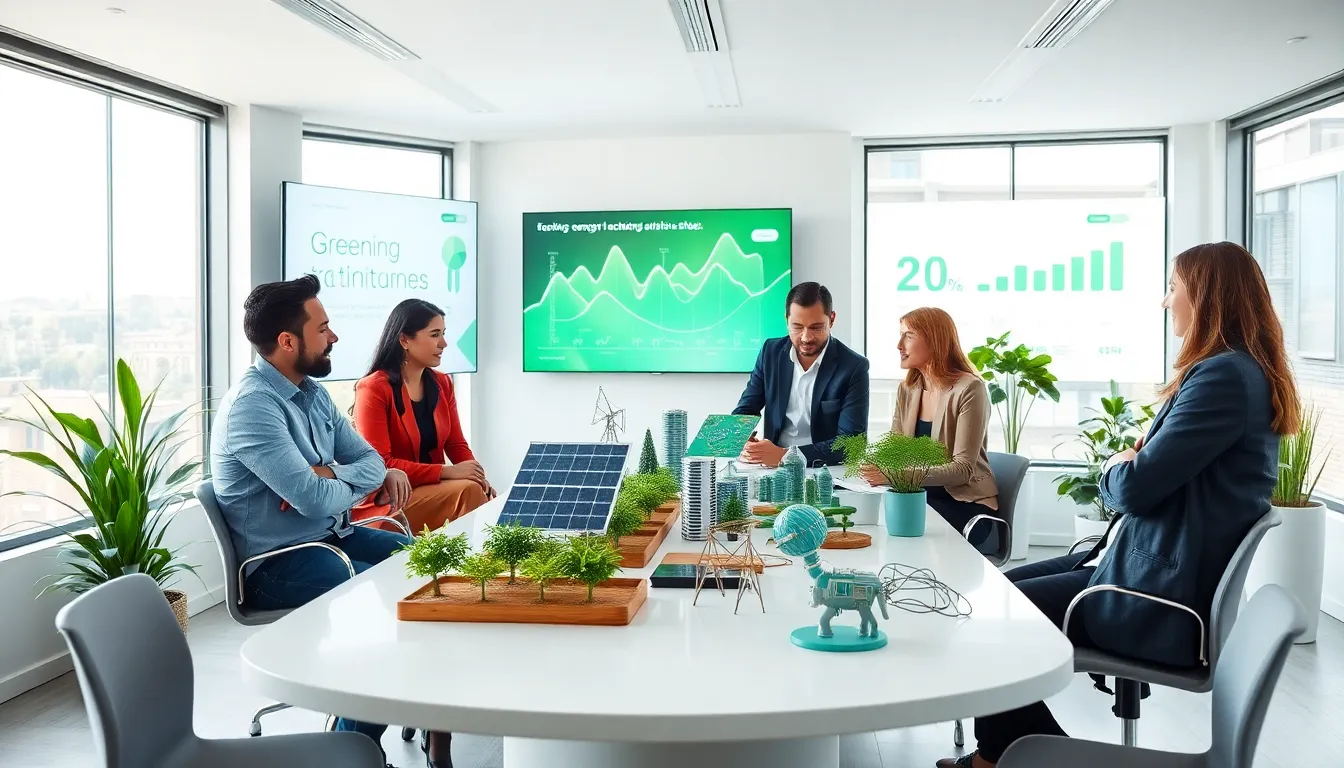
Green technology refers to the use of science and technology to create products and services that reduce environmental impacts, improve energy efficiency, and conserve resources. It encompasses a wide range of innovations, all aimed at contributing to a sustainable future. Imagine a world where the air is cleaner, the energy is renewable, and the leftover waste is minimal. That’s the ambition behind green tech.
From solar panels glinting under the sun to biofuels sourced from organic materials, green tech innovations aim to combat climate change while fostering economic growth. By leveraging advances in technology, individuals and businesses are finding smarter ways to produce, consume and dispose of resources. The real beauty lies in their potential to shift societal mindsets towards more sustainable living practices.
Importance of Green Tech Innovations
The significance of green tech innovations cannot be overstated. These technologies address pressing global issues, such as climate change, pollution, and the depletion of natural resources. By investing in green technologies, societies can reduce their carbon footprints and create a sustainable future.
For starters, renewable energy sources, like wind, solar, and hydropower, are not just eco-friendly: they stabilize energy prices and contribute to energy independence. They are key in reducing reliance on fossil fuels, which are notorious for their environmental impact. Besides, the development of energy-efficient technologies leads to reduced costs for businesses and consumers alike, demonstrating that eco-friendliness can be financially savvy as well. The bottom line? Protecting the planet doesn’t just serve the Earth: it serves humanity’s economic interests too.
Leading Green Tech Innovations
As the influence of green technologies spreads, various fields are seeing promising advancements. Here are some of the leading innovations shaping our green future:
Renewable Energy Solutions
Solar panels have become ubiquitous, transforming rooftops around the world into mini power plants. Wind energy has also made significant strides, with vast farms harnessing the sun’s power through wind turbines. Advances in battery storage technologies are further enhancing the feasibility of renewable energy solutions, ensuring that no energy goes to waste.
Sustainable Transportation Technologies
Electric vehicles (EVs) are arguably the poster children of sustainable transportation. These cars are not just silently zipping by: they are proving that cutting emissions on the road can be stylish and efficient. With innovations like hydrogen fuel cells and electric public transport systems, cities are gearing up for cleaner, greener ways to commute.
Energy-Efficient Building Solutions
Buildings account for a significant portion of global energy consumption, but thanks to green architecture, this is changing rapidly. Innovations like smart thermostats, energy-efficient windows, and green roofs are allowing buildings to reduce their energy usage significantly. Plus, they often come with the added benefit of lower utility bills, making them a hit among property managers and homeowners.
Waste Management Innovations
Innovative waste management technologies are paramount in our quest for sustainability. Recycling has come a long way, but the latest solutions extend far beyond traditional sorting.
For example, anaerobic digestion is gaining traction, converting food waste into bioenergy, so minimizing landfill use. Advanced composting technologies are also developing, helping divert organic waste from landfills and turning it into valuable compost. Smart waste bins equipped with sensors can alert cities when they’re full, optimizing collection routes and reducing emissions from waste collection vehicles.
Through these innovations, waste is increasingly viewed as a resource rather than a mere byproduct, leading to a circular economy where materials are continuously repurposed.
Challenges and Future Directions
Even though the positive momentum surrounding green tech innovations, challenges remain. Funding such technologies can be tricky, especially in economically tough times. Besides, there can be a significant gap between technological advancement and widespread adoption due to technological literacy issues or regulatory hurdles.
Looking ahead, the future direction should focus on societal engagement. Increased public awareness and education around climate issues can foster a culture that embraces green technologies. Collaboration between governments, private sectors, and academia can also catalyze innovation, driving down costs and making green tech accessible for all. As more companies adopt sustainable practices, the pressure to innovate will lead to a green revolution in diverse sectors.