

Electric vehicles are taking the world by storm, and it’s about time! Gone are the days when cars belched smoke like a dragon after a spicy meal. Now, sleek, silent rides are zooming past, leaving nothing but a whisper and a hint of envy in their wake. With more folks hopping on the EV bandwagon, it’s clear that these eco-friendly machines aren’t just a trend—they’re here to stay.
Overview of Electric Vehicles
Electric vehicles (EVs) represent a significant advancement in automotive technology. These vehicles utilize electric motors powered by batteries instead of internal combustion engines. Driving an EV results in zero tailpipe emissions, making them an environmentally friendly option that helps reduce air pollution.
Performance characteristics of EVs often exceed those of traditional cars. Quick acceleration is a hallmark feature, allowing many models to go from 0 to 60 mph in just a few seconds. Furthermore, advancements in battery technology enable longer driving ranges, with some EVs offering over 300 miles on a single charge.
Charging infrastructure continues to expand, supporting the growing number of electric vehicles on the road. Public charging stations are becoming more prevalent, making it easier to charge EVs during long trips. Home charging options also provide convenience, allowing drivers to charge overnight.
Cost considerations play an essential role in the transition to electric vehicles. Although initial purchase prices can be higher than gas-powered options, incentives like federal tax credits and local rebates often alleviate financial burdens. Long-term savings on fuel and maintenance add additional value, making EVs an economically viable choice.
Market share for electric vehicles is steadily increasing. In 2023, EV sales accounted for around 5.6% of the total automotive market in the United States. Major manufacturers are heavily investing in EV technology, including the development of new models and enhancements to battery efficiencies.
Challenges remain in the adoption of electric vehicles, including range anxiety and charging time. As technology progresses and public awareness rises, these obstacles are expected to diminish. Increasing support for sustainable transport solutions fosters a promising future for electric vehicles in the automotive industry.
Benefits of Electric Vehicles
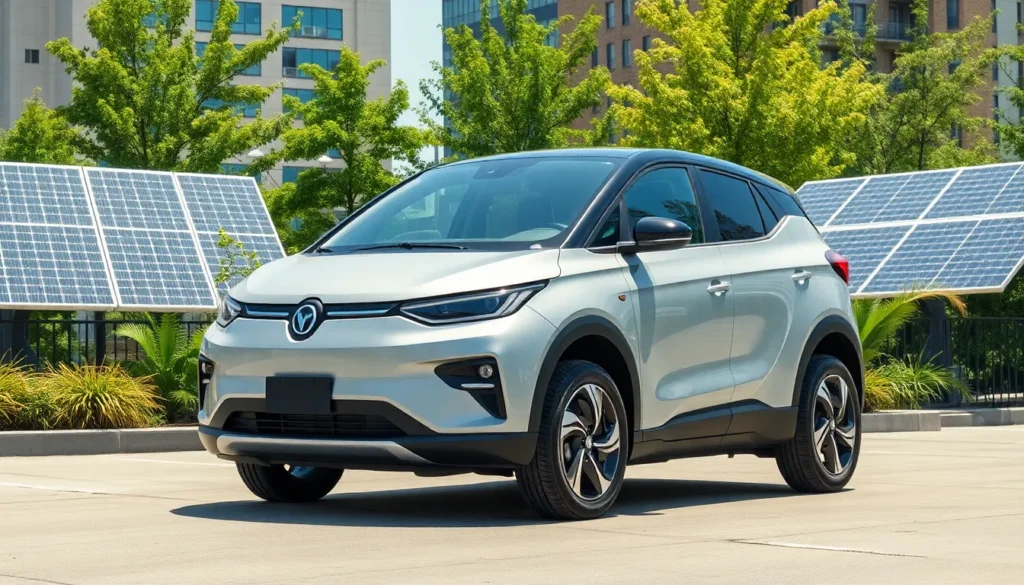
Electric vehicles provide significant advantages that extend beyond personal convenience, impacting both the environment and the economy.
Environmental Impact
Electric vehicles produce zero tailpipe emissions, contributing to improved air quality. This reduction in pollutants helps combat climate change and enhances public health. Transitioning to EVs minimizes reliance on fossil fuels, reducing greenhouse gas emissions. The use of renewable energy sources for electricity further enhances the sustainability of electric vehicles. Research indicates that countries prioritizing EV adoption see a noticeable decrease in overall carbon emissions.
Economic Advantages
Cost savings represent a major benefit of electric vehicles. While initial purchase prices tend to be higher, lower operational costs lead to substantial long-term savings. Electric vehicles typically require less maintenance than traditional vehicles since they have fewer moving parts. Fuel savings also come into play, with electricity often costing less than gasoline. In 2023, government incentives and tax credits further encourage the adoption of EVs, making them financially appealing. Transitioning to electric vehicles fosters energy independence and reduces fluctuating oil prices’ consumer impact.
Challenges Facing Electric Vehicles
Electric vehicles (EVs) encounter several challenges that must be addressed to ensure widespread adoption.
Range Anxiety
Range anxiety persists as a significant concern among potential EV owners. Many drivers fear the limited driving range of electric vehicles compared to traditional cars. Manufacturers are addressing this issue with increased battery capacity, enabling some models to achieve ranges exceeding 300 miles on a single charge. Public perception is gradually shifting as advancements in battery technology reduce range anxiety. Educational initiatives about real-world EV usage help alleviate concerns, showcasing daily ranges typically well below maximum capacities.
Charging Infrastructure
Charging infrastructure represents another challenge for electric vehicles. Insufficient charging stations can deter potential buyers. Growth in the number of public charging stations, including fast chargers, is essential for promoting EV adoption. According to recent data, the U.S. has over 140,000 public charging points, but a significant increase in accessibility is still necessary. Local governments and private companies are investing in expanding networks to make charging options more accessible. Home charging also continues to gain traction, offering convenience for many EV owners.
The Future of Electric Vehicles
Electric vehicles (EVs) are shaping a promising future for the automotive industry. Advancements in technology and supportive government policies play crucial roles in this transformation.
Technological Advancements
Advancements in battery technology lead the charge for electric vehicles. Manufacturers are focusing on improving battery efficiency, with some models now achieving ranges over 300 miles per charge. Enhanced motors boost the acceleration and performance of EVs, making them competitive with traditional vehicles. Regenerative braking systems also contribute to efficiency by converting kinetic energy back into stored energy, extending driving ranges. The growing availability of fast-charging stations reflects increased investment in charging infrastructure, enabling quicker access to power for drivers. These innovations collectively enhance the user experience and drive consumer interest.
Government Incentives
Government incentives make electric vehicles more financially attractive. Tax credits up to $7,500 help offset initial purchase costs, encouraging consumers to choose EVs over traditional vehicles. Grants and rebates are also available for installing home charging stations, adding convenience for owners. Policies aimed at reducing greenhouse gas emissions further support EV adoption, aligning with broader sustainability goals. As of 2023, many states offer additional benefits for electric vehicle owners, such as reduced registration fees and access to carpool lanes. These incentives significantly contribute to the surging demand and growth of electric vehicles in the market.
The future of electric vehicles is bright and promising. As technology advances and charging infrastructure expands, the barriers that once hindered adoption are gradually being overcome. With growing public awareness and supportive government policies, consumers are increasingly recognizing the long-term benefits of EVs.
Reduced environmental impact and significant savings on fuel and maintenance costs make electric vehicles an attractive choice for many. As manufacturers continue to innovate and improve battery technology, the appeal of EVs will only strengthen. The shift towards electric mobility is not just a trend; it’s a transformation that’s reshaping the automotive landscape for generations to come.