

In a world where fossil fuels are starting to feel like that one friend who overstays their welcome, renewable energy tech is the fresh breath of air everyone’s been waiting for. It’s not just about saving the planet; it’s about embracing innovation that makes life easier and more sustainable. Imagine harnessing the sun’s rays or the wind’s gentle whispers to power your daily grind. Sounds like a sci-fi dream, right? Well, it’s happening now!
Overview of Renewable Energy Tech
Renewable energy technologies focus on harnessing energy from natural resources that are replenished. These resources include sunlight, wind, water, and geothermal heat. Solar energy systems convert sunlight directly into electricity using photovoltaic cells. Wind turbines capture wind energy, turning it into electricity through rotating blades.
Hydropower contributes significantly to global energy production. It generates electricity by harnessing the flow of water in rivers or through dams. Additionally, geothermal energy taps into the Earth’s internal heat, providing a reliable energy source for heating and electricity.
Bioenergy offers another intriguing avenue by converting organic materials into energy. This method utilizes agricultural waste, wood, and even municipal waste to produce electricity, heat, or fuels. Each of these technologies plays a crucial role in reducing greenhouse gas emissions and fostering sustainability.
Investment in renewable energy tech has surged, with global investments reaching over $300 billion in recent years. This commitment reflects a collective effort to transition away from fossil fuels and embrace cleaner energy solutions. Innovations in energy storage, such as batteries and pumped hydroelectric systems, enhance the reliability of renewable sources.
Advancements in energy efficiency also support the growth of renewable technologies. Smart grids improve the distribution of energy, integrating various renewable sources efficiently. Individuals and businesses benefit from reduced energy costs and lower carbon footprints as these technologies mature.
Governments worldwide incentivize the adoption of renewable energy through subsidies and tax credits. Such policies create favorable conditions for both developers and consumers, promoting a shift toward a sustainable energy future.
Types of Renewable Energy Technologies
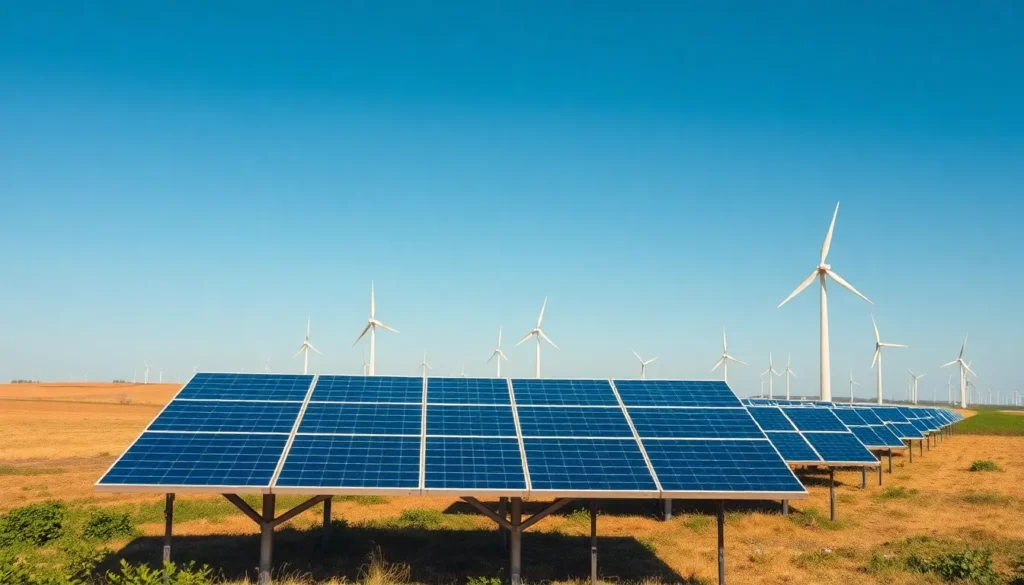

Various renewable energy technologies contribute to a more sustainable future. Each type harnesses natural resources, reducing reliance on fossil fuels and minimizing environmental impact.
Solar Energy Solutions
Solar energy systems convert sunlight into electricity using photovoltaic panels. Many homeowners and businesses benefit from installation, resulting in reduced energy costs. Concentrated solar power systems utilize mirrors or lenses to focus sunlight, generating thermal energy. Advances in solar technology increase efficiency and affordability, making solar options accessible to more consumers.
Wind Energy Innovations
Wind energy technologies utilize wind turbines to generate electricity. Turbines convert kinetic energy from wind into mechanical power, which then produces electricity. Onshore and offshore installations expand potential sites for energy generation, capitalizing on wind resources. Modern innovations, such as larger rotor blades and improved turbine designs, enhance energy output and lower production costs.
Hydro Power Systems
Hydropower systems harness flowing water to generate electricity, utilizing dams or run-of-river methods. Dams store water, releasing it through turbines to produce power. Run-of-river systems allow water flow to generate electricity without significant damming. Hydropower remains one of the most reliable renewable sources due to its consistent energy generation.
Geothermal Energy Developments
Geothermal energy utilizes heat from the Earth’s core for power generation and heating. This technology taps into steam or hot water reservoirs below the Earth’s surface. Applications include direct heating and electricity generation through geothermal power plants. Regions with high geothermal potential, such as volcanic areas, experience significant benefits from these developments.
Biomass Technologies
Biomass technologies convert organic materials into usable energy, providing a renewable energy source. Processed materials include agricultural waste, wood, and food waste, which can generate electricity or biofuels. Innovations in biomass conversion techniques enhance efficiency and reduce waste disposal costs. These technologies contribute to lower greenhouse gas emissions compared to fossil fuels.
Benefits of Renewable Energy Tech
Renewable energy technologies provide substantial benefits, impacting the environment and enhancing economic stability.
Environmental Impact
Renewable energy options reduce greenhouse gas emissions significantly. Solar, wind, and hydropower systems contribute to cleaner air and water quality. Each of these technologies mitigates climate change effects, helping to stabilize global temperatures. Studies show that wind and solar power could cut global carbon emissions by over 70% by 2050. Utilizing resources like geothermal and biomass further promotes sustainability by minimizing waste and preserving ecosystems. Transitioning to these technologies initiates a shift toward a greener planet.
Economic Advantages
Investments in renewable energy exceed $300 billion worldwide, demonstrating a strong commitment to sustainable growth. Growth in this sector generates millions of jobs in manufacturing, installation, and maintenance. For instance, solar and wind industries create higher-paying jobs compared to fossil fuels. Cost reductions in technology, like energy storage solutions, enhance competition and accessibility. Consumers benefit from lower energy bills, while businesses experience increased efficiency. Overall, transitioning to renewable energy reinforces economic resilience and promotes long-term energy independence.
Challenges Facing Renewable Energy Tech
Various challenges hinder the widespread adoption of renewable energy technologies. These obstacles include technological limitations and policy and regulation issues.
Technological Limitations
Technological limitations remain a significant concern within renewable energy tech. Energy storage solutions often lack sufficient capacity to hold excess power generated during peak production, creating reliability concerns. Solar panels and wind turbines experience inefficiencies in energy conversion, affecting overall effectiveness. Grid integration poses additional challenges, as existing infrastructure may struggle to accommodate decentralized energy sources. Maintenance of renewable systems can also require specialized expertise, adding complexity to operations. Continued innovation is essential to overcome these hurdles and maximize the potential of renewable energy technologies.
Policy and Regulation Issues
Policy and regulation issues complicate the advancement of renewable energy tech. Inconsistent governmental incentives can hinder investment stability and long-term planning. Navigating zoning laws and permitting processes proves challenging for developers, often delaying projects and increasing costs. Additionally, subsidies for fossil fuels can create imbalanced market conditions that favor non-renewable sources. International agreements on climate change enforcement can vary, leading to uncertainty in policy implementation. Collaborative efforts among legislators, regulators, and industry stakeholders are vital to establish a comprehensive framework that supports the growth of renewable energy technologies.
Future Trends in Renewable Energy Tech
Emerging trends in renewable energy technologies promise to shape the industry in significant ways. Investment growth remains a key focus, with global investments exceeding $300 billion recently. Such financial commitment underscores a collective drive towards cleaner energy solutions.
Artificial intelligence integration improves efficiency within renewable energy systems. Intelligent algorithms optimize the performance of solar panels and wind turbines, enhancing energy output and lowering operational costs. Data analytics also plays a crucial role, enabling predictive maintenance, which minimizes downtime.
Energy storage technologies advance rapidly. Battery innovations, such as lithium-ion and solid-state batteries, enhance energy retention from renewable sources. With storage solutions becoming more affordable, they boost grid reliability and support the transition to 100% renewable energy systems.
The development of hydrogen energy also gains momentum. Green hydrogen, produced through electrolysis using renewable electricity, offers a carbon-free fuel alternative. This technology has the potential to decarbonize various sectors, including transportation and industry.
Microgrids represent another exciting trend. They facilitate localized energy production and consumption, enhancing resilience while reducing transmission losses. Communities can rely on these systems during outages, promoting energy independence.
Additionally, advances in offshore wind technology expand possibilities. Floating wind farms allow for energy generation in deeper waters where wind resources are stronger and more consistent. Such developments increase capacity while minimizing visual and ecological impacts.
Government policies continue adapting to support these innovations. Incentives and regulations foster a supportive environment for research and development. As these trends unfold, the renewable energy landscape evolves, driving a sustainable future forward.