

The auto industry is revving up like never before, thanks to a wave of connected tech innovations that are changing how we drive. Imagine a world where your car can chat with traffic lights, warn you about potholes, and even suggest the best coffee shop on your route. It’s not science fiction; it’s today’s reality.
From smart dashboards to autonomous driving features, these advancements are not just cool gadgets—they’re game changers. They promise to make driving safer, more efficient, and a whole lot more fun. Buckle up as we explore the best connected tech innovations that are steering the automotive world into the future. Who knew that the road ahead could be this thrilling?
Overview of Connected Tech in the Auto Industry
Connected technology in the auto industry enhances user experience and vehicle functionality. Vehicles equipped with Internet of Things (IoT) devices communicate with each other and surrounding infrastructure. Real-time data sharing improves safety by reducing accident risks via alerts about road conditions or hazards.
Smart dashboards serve as command centers, providing drivers with navigation, entertainment, and vehicle diagnostics. These systems integrate voice recognition to allow drivers to access features hands-free, maintaining focus on the road. Moreover, manufacturers implement smartphone connectivity, letting users control vehicle functions remotely through dedicated applications.
Autonomous driving technology significantly alters mobility. Sensors and cameras gather data about the environment, enabling vehicles to navigate without human intervention. Companies invest heavily in this innovation, with several models already available to consumers.
V2X (Vehicle-to-Everything) communication represents another leap in connected tech. This system connects vehicles not only to each other but also to traffic lights and urban infrastructure. By optimizing traffic flow, V2X reduces congestion and lowers emissions, representing a substantial environmental benefit.
In-car entertainment systems have also evolved due to connectivity. Streaming services now integrate seamlessly, allowing passengers to enjoy personalized entertainment experiences during travel. Such innovations cater to the modern consumer’s demand for convenience and engagement.
Connected tech also enhances vehicle maintenance. Predictive analytics monitor vehicle performance, alerting owners to potential issues before they escalate. This proactive approach extends vehicle lifespans and reduces long-term repair costs.
Key Innovations Transforming Vehicles
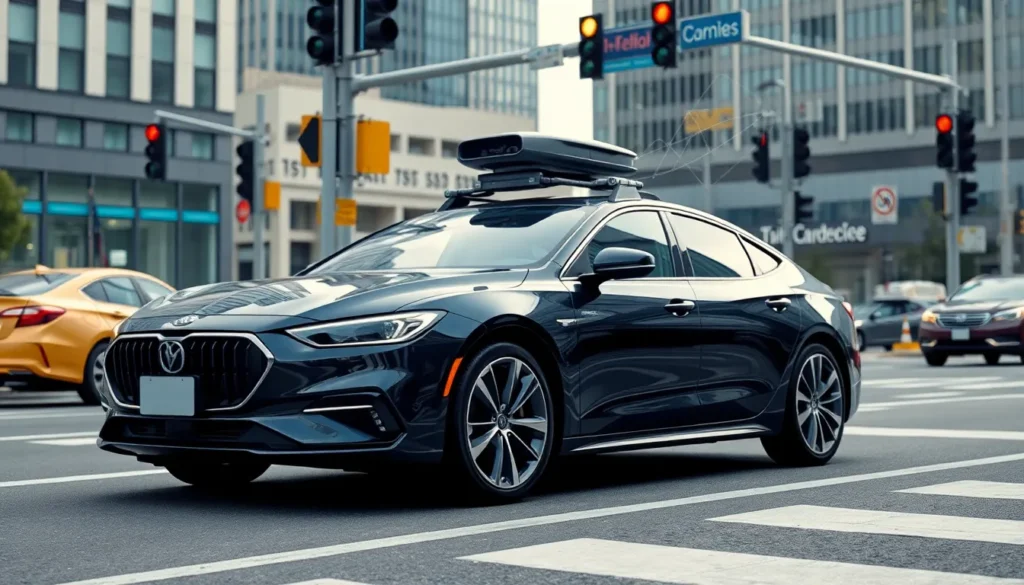
Vehicles experience remarkable changes due to connected technology innovations. These advancements improve safety, efficiency, and overall driving enjoyment.
Autonomous Driving Technologies
Autonomous driving technologies revolutionize mobility. Equipped with sensors and cameras, vehicles navigate without human input, enhancing safety. Various manufacturers actively test and deploy these systems to offer smoother rides. In urban areas, fully autonomous driving showcases potential for drastically reducing traffic accidents. Continuous advancement in AI algorithms enables vehicles to respond adeptly to dynamic driving environments.
Smart Infotainment Systems
Smart infotainment systems integrate navigation, entertainment, and vehicle diagnostics into user-friendly interfaces. Drivers now access essential information through voice commands and touchscreens, minimizing distractions. Functionality expands as manufacturers incorporate streaming services into these systems, catering to modern demands. Bluetooth connectivity allows seamless integration with smartphones, facilitating hands-free communication. Up-to-date software ensures consumers receive timely enhancements and features, ultimately improving user experience.
Enhanced Vehicle-to-Everything (V2X) Communication
Enhanced V2X communication optimizes traffic flow by connecting vehicles directly to each other and to surrounding infrastructure. These systems can transmit critical information about road conditions and potential hazards, significantly improving driver awareness. More vehicles adopting V2X technology contributes to a smarter transportation ecosystem. Traffic signals can adjust in real-time based on vehicle data, minimizing wait times at intersections. As urban areas evolve, V2X will play a critical role in reducing emissions and enhancing overall efficiency in transportation networks.
Impact on Safety and Convenience
Connected technology in the auto industry significantly enhances both safety and convenience for drivers and passengers. Innovations focus on integrating advanced safety features and improving user interactions within vehicles.
Improved Safety Features
Innovative safety systems utilize real-time data to enhance driver awareness. Lane departure warnings alert drivers if they unintentionally drift, encouraging corrective action. Advanced collision avoidance systems analyze surroundings and take preventive measures, significantly reducing accident risks. Automatic emergency braking engages brakes when detecting imminent threats, minimizing the impact of potential collisions. Additionally, adaptive cruise control maintains safe distances from other vehicles, promoting more relaxed driving in varied conditions. These features empower drivers with tools that foster safer roads.
Streamlined User Experience
Technology advancements simplify driver interactions through intuitive infotainment systems. Voice recognition enables hands-free navigation and communication, lessening distractions while driving. User interfaces consolidate navigation, music, and vehicle diagnostics into single platforms, enhancing overall convenience. Smartphone connectivity allows drivers to access essential functions remotely, including starting the vehicle or checking tire pressure. Updates delivered over-the-air ensure systems remain up to date, providing continuous improvements. Enhanced user experiences turn cars into connected hubs, making travel smoother and more enjoyable.
Future Trends in Connected Tech
Connected technology continues to evolve, defining the future of the automotive industry. Innovations focus on enhancing driver experience, safety, and efficiency.
Artificial Intelligence Integration
AI integration transforms vehicle functionality. Advanced algorithms analyze driving patterns, providing tailored recommendations for drivers. Manufacturers equip vehicles with machine learning capabilities to enable real-time decision-making, improving safety and navigation. Predictive analytics anticipate maintenance needs, reducing the likelihood of breakdowns. Enhanced voice recognition systems offer hands-free control for infotainment and navigation, minimizing distractions. As AI advancements continue, cars respond more adeptly to dynamic road situations.
The Role of 5G Connectivity
5G connectivity reshapes how vehicles communicate. This technology supports faster data transmission between vehicles and infrastructure, allowing for quicker updates on road conditions. Enhanced connectivity improves V2X communication, enabling vehicles to share critical information in real time. Streamlined traffic flow becomes achievable through coordinated signals based on vehicle data. The high speeds of 5G reduce latency, making autonomous driving systems more reliable. As 5G networks expand, tomorrow’s vehicles will leverage this capability for a safer, smarter driving experience.
The evolution of connected technology in the auto industry is paving the way for a safer and more efficient driving experience. As vehicles become increasingly integrated with advanced systems and real-time data sharing, the benefits for drivers and passengers are undeniable. Innovations like V2X communication and AI-driven features are not just enhancing convenience but are also crucial in promoting road safety.
With the ongoing advancements in 5G connectivity, the potential for smarter transportation systems is expanding rapidly. This transformative journey in automotive technology promises to redefine mobility and enrich the overall driving experience. As these innovations continue to unfold, they’ll undoubtedly play a pivotal role in shaping the future of the automotive landscape.